Índice do artigofaltam 5 min de leitura
For Shopify, the platform where many stores sell online, Black Friday is the most critical moment of the year, for the company and for merchants. The team already rehearsed the date and decided to rehearse even more often throughout the year, with fake customers browsing, filling carts and paying with test cards. In the middle of that year of rehearsals, a limit appeared that the plan did not show: of the roughly 1,200 copies of the system Shopify was going to turn on in each group of machines, some would stay on without serving a single customer. The story is told by Jordan Neufeld, a reliability engineer at Shopify, on the company's engineering blog.
How you rehearse a Black Friday
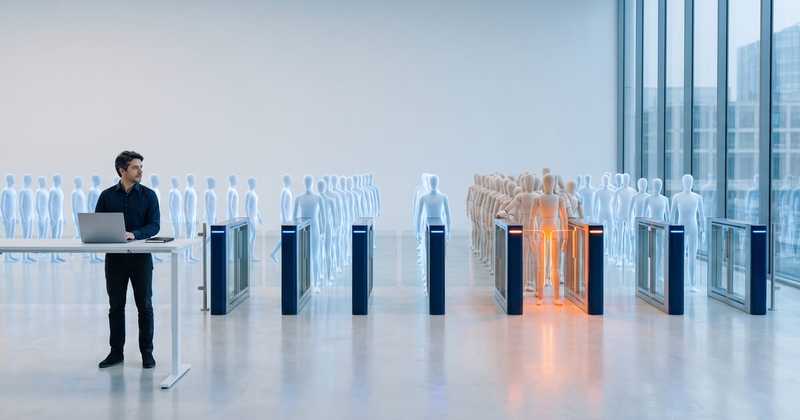
The account, published in January 2023, covers the preparation for Black Friday 2022. Shopify's rehearsal is a fake Black Friday day, with everything real around it. Planning started in February, based on the previous Black Friday's numbers, and the request to the cloud provider is for a 200 percent increase in machines, on top of an infrastructure that is already large: not even the provider has spare machines at any given time. Several types of traffic run together, and the main one simulates customers going through the entire purchase, all the way to payment. The cycle repeats throughout the year:
- Scale up the platform, to the size forecast for Black Friday, for a few hours.
- Release the simulated customers, who browse, add and remove products from the cart and pay with test cards.
- Ramp up traffic gradually, counting completed purchases and requests per minute, the measure that tells you whether the store is selling.
- Stop immediately if the platform degrades, with a button that shuts the rehearsal down.
- Return to everyday size, turning off the extra machines.
- Analyze, fix and repeat, until the date arrives.
The copies that existed in the plan and served nobody
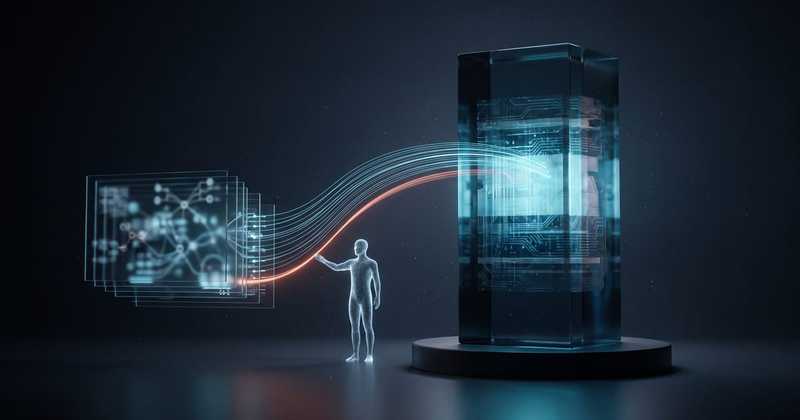
A large system runs in many identical copies, each serving a share of customers, and the way to handle more people is to turn on more copies. In front of them sits a front door, the program that receives each request and decides which copy will serve it.
Shopify had reorganized the platform into fewer groups of machines. Midway through the year, the team noticed the side effect: because of a not-yet-fixed bug in the front door program, each group only sent customers to the first 1,000 copies, fewer than the Black Friday plan called for. Those beyond that limit would stay on without receiving anyone.
The team laid out the options: fix the front door program themselves or run a second installation of the system in each group of machines. In the end, it chose neither: stronger copies, with more processing and memory, each serving more customers. With fewer copies, each group stayed below the limit, with enough capacity for the rehearsals and for the Black Friday weekend.
When half the infrastructure received all the traffic
Some rehearsals had a harder question. Shopify runs in separate data centers in the United States, and the team wanted to know whether one of them could handle everything if the other suffered a serious failure. To simulate this, it sent all the traffic to one side.
In those rehearsals, response times and errors grew as traffic rose. The analysis showed that some copies of the front door received many more requests than others and became overloaded, with slow responses and requests that gave up waiting.
The cause only appeared after a lot of investigation with the cloud provider: the provider's traffic distributor did not split requests evenly, like a supermarket with a huge line at one checkout and others empty. The front door copies shared machines with other programs, and some machines had one copy while others had several. The rehearsal itself made things worse, because the fake customers came from a few internet addresses, and with little variety the distributor made more mistakes. The fix was to give the front door machines of its own, with the same number of copies on each, which helped avoid the overloaded spots.
Shopify does not sell the rehearsal as a guarantee. The account admits that it is hard to reproduce real traffic and that only real traffic replaces real traffic; that is why the team treats each round as one step and any rise in response time or errors as a possible warning of a bigger problem on the way.
David Yanacek, a principal engineer at Amazon, points to another reason to rehearse the entire purchase, in the library where Amazon explains how it builds its own systems: an end-to-end test also increases the load on everything the system depends on, and can reveal other bottlenecks.
What about your Black Friday?
The question for anyone with a date on the calendar is how to know, before the day, that the system will hold up. From the Shopify case, the closest answer comes from rehearsing the expected traffic several times and treating every sign of degradation as a warning.
The question applies to your company if the campaign already has a date, if the system has changed structure since the last peak or if nobody has ever measured how much it can handle. It also applies if the existing test only opened the home page, without going through the cart and payment, and if payment and inventory depend on partners who will also receive the traffic on that date. And it applies even if the store runs on a platform: the app, the integration with the management system, shipping and inventory updates are still yours.
A retailer's full purchase path
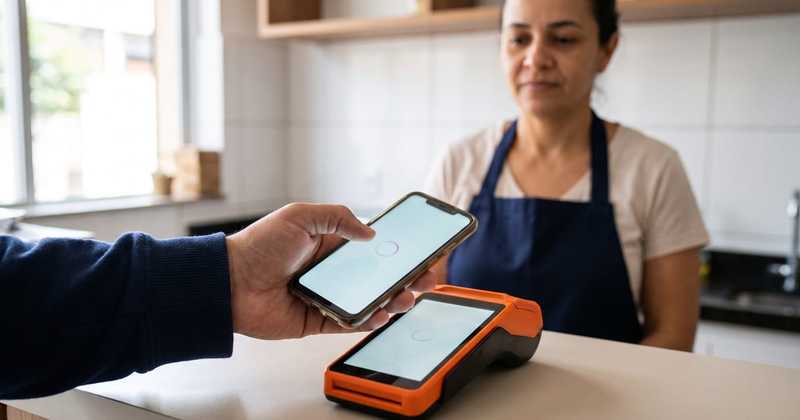
The account does not say how the Black Friday weekend went. What it does say is that the repeated rehearsals throughout the year, before the date, are where the team overcame challenges that could have caused trouble at the peak. And a retailer's purchase has many steps to rehearse. In the app for Casa & Vídeo, a Brazilian home goods and electronics retailer, for which X-Apps did the product strategy, design and development, the user signs into their account, looks up stores, chooses the product and the variant, sees price and payment, decides between delivery and pickup and reviews everything in the cart. The case page does not talk about load testing; it shows the path a retail rehearsal needs to go through in full, not just the home page.
At X-Apps, load testing is part of the quality and test automation service when the system's risk is volume. Our article on system load testing explains the types of test and why payment and partners go into a simulator that takes as long as the real partner: a simulator that responds instantly makes the test optimistic.
What to ask before the date
These work for your team or for the company that looks after the system, and the answers require no technical knowledge.
- Did the last rehearsal go through the entire purchase, all the way to payment, or did it stop at the first pages?
- After the last big change to the system, did anyone rehearse again?
- How many purchases per minute did the system complete in the rehearsal, and how many do we expect on the day?
- Of the machines we will pay for on the day, how many did the rehearsal show actually serving customers?
- Did partners' payment and inventory enter the rehearsal with the same delay they have on the day, or did they respond instantly?
Contracted capacity is not useful capacity, and rehearsing the entire purchase before the date is what gives you time to find the hidden limit.
The previous piece in this series covered the Pokémon GO launch, which received many more players than the company itself expected.
Sources: account by Jordan Neufeld, reliability engineer at Shopify, on the Shopify engineering blog (January 27, 2023); David Yanacek, principal engineer at Amazon, in the Amazon Builders' Library (December 5, 2019). Read on November 17, 2026.