Índice do artigofaltam 3 min de leitura
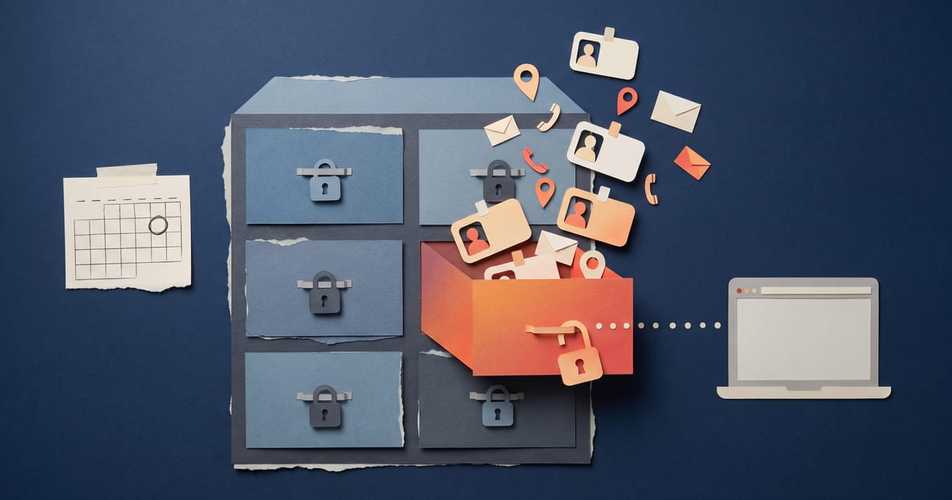
Security company UpGuard published a study on September 25, 2026 covering 16,326 app databases, hosted on the Supabase service, that anyone on the internet can read. The common thread, the study says, is apps assembled by AI tools that write code. For the company that hired the app, the risk is an open customer database and a possible incident to report to the ANPD (Brazil's data protection authority).
What to do: ask the vendor or the app team whether it stores data on Supabase. If the answer is no, this alert is not about you. If it is yes, ask for an answer in writing: is any table with customer data missing row-level access protection, or readable without login? The change Supabase scheduled for October 30 only applies to new tables, so the ones already live need this check.
Why an app assembled with AI ends up open
Two locks prevent a visitor from reading an app's database on Supabase: the access permission on each table and the row rule, which says who sees which record (RLS, Row Level Security). According to Supabase's documentation, an exposed table without that rule can be read and changed by anyone with the permission.
According to UpGuard, a table created by command, which is how coding agents (software that writes and changes code on its own) work on Supabase, does not start with the row rule turned on. The documentation confirms it: a table created through the dashboard starts out protected; one created by command depends on someone turning protection on. The app works in the demo, because reading everything also counts as working.
The cases detailed by UpGuard include names, emails, addresses, license plates, private messages and SMS codes; plain-text passwords and login credentials, in a smaller share. E-commerce and restaurant apps hold a larger share of the personal and payment data.
What the October 30 change doesn't solve
Supabase's April 28 note only touches the first lock: from October 30, each new table needs explicit permission to be accessible over the internet. The note itself says existing tables keep the permissions they had and remain accessible. The date prevents the next mistake; it doesn't fix what was already live.
Supabase, through its chief security officer Bil Harmer, told TechCrunch that projects are secure by default and that configuration is controlled by the customer. That is why the check is also the customer's job.
When an open table becomes a matter for the LGPD, Brazil's data protection law
Unauthorized access to personal data is a security incident. Under ANPD Resolution CD/ANPD No. 15/2024, the controller has 3 business days, counted from when it becomes aware, to notify the ANPD and the data subjects if the incident may pose significant risk or harm. The nature of the data, the number of people and what was done to contain it all weigh in.
An open product list doesn't count; a customer database with CPF (Brazil's individual taxpayer ID) and phone number is the typical case that does. A readable table is not a confirmed leak either: the study doesn't say whether anyone other than the researchers read the data, and it has no breakdown for Brazil. But on the day a company finds an open customer database, it has to assess whether there was access and what the risk is. It is best to do that with someone who already knows what to do the next day.
The problem is not the platform. In August we recommended Supabase in an MVP stack precisely because of the access rules that live in the database. They only protect when someone writes them.
The check for the technical team
In the architecture review X-Apps does on AI-assembled apps before they grow, data access rules are among the first things checked, because it is the failure a working app doesn't reveal. If whoever looks after your app needs a starting point, two queries in the project's SQL editor show the essentials. The first lists the tables and says whether the row rule is on and whether the public key can read:
select c.relname as table_name,
       c.relrowsecurity as rls_on,
       has_table_privilege('anon', c.oid, 'select') as public_key_reads
from pg_class c
join pg_namespace n on n.oid = c.relnamespace
where n.nspname = 'public' and c.relkind = 'r'
order by rls_on, table_name;
A row with rls_on false and public_key_reads true is a table open to any visitor. The second looks for a rule that exists but lets everything through:
select tablename, policyname, roles, cmd
from pg_policies
where schemaname = 'public' and qual = 'true';
A rule with true may be intentional on a public catalog. On a customer, order or message table, it isn't. How many tables with customer data can your vendor guarantee are closed?
Sources and method
UpGuard study (Greg Pollock) and Bil Harmer's response to TechCrunch, from September 25, 2026; Supabase's April 28 note on table exposure; Supabase's Row Level Security documentation; Resolution CD/ANPD No. 15/2024.