
Índice do artigofaltam 6 min de leitura
A contract defines what happens after improper access. Architecture defines whether it was possible. The experienced buyer asks about the second.
If you built software from your own operation and now want to sell it in your industry, some of your best buyers are companies that compete with you for clients. At some point, in the first or second meeting, someone will ask the question.
This article is about that objection: why it is legitimate, what the buyer is really protecting, and how to answer it without promising what cannot be guaranteed.
Article summary
- The competitor's objection is a correct reading of risk: they would be operating inside a system controlled by someone competing in the same market.
- What they protect is almost never functionality. It is price, volume, suppliers and client portfolio.
- A contract deals with consequence; architecture deals with possibility. Answering only with a contract answers half.
- There are markets where the objection cannot be resolved, and recognizing that early avoids spending the first version on the wrong buyer.
The question that comes up in the first meeting
The question almost always arrives in the same words: "But aren't you in the business yourself?" And right after comes the real one: "Who can see what I put in there?"
It is not a provocation. It is the moment the buyer realizes that adopting your system means putting their operation in a place you control. If you treat it as a lack of trust, you lose the sale. If you treat it as a legitimate technical question, you get the chance to answer better than any generic vendor would.
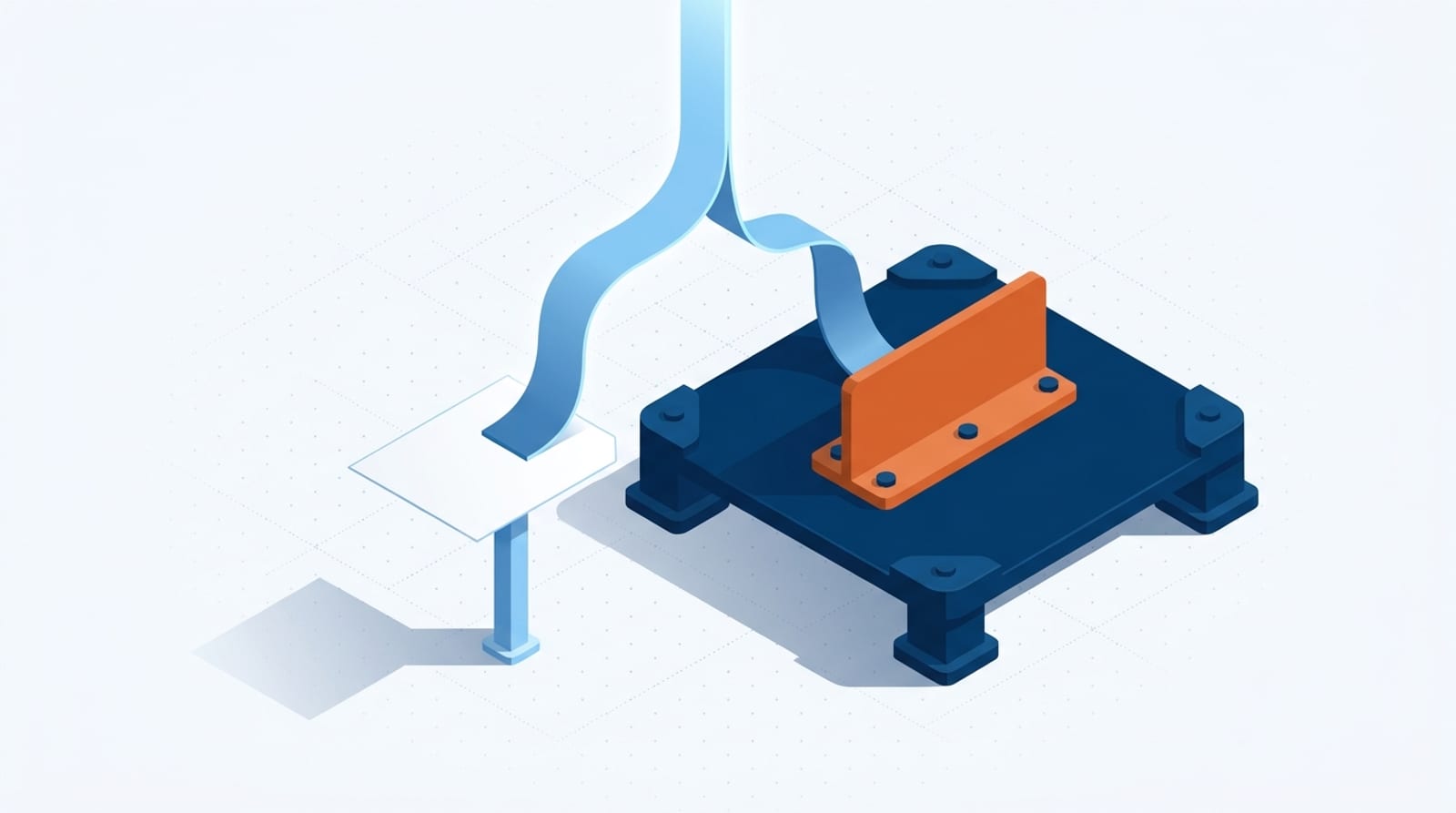
The most common mistake in the answer is the reflex to reassure: saying you would never do that, that your reputation would not allow it, that there is a contract. None of that is false and none of it answers the question.
All of it describes your intention, and the question was about capability. They are different things, and the experienced buyer knows how to tell them apart.
Why the objection is legitimate and not paranoia
The objection is legitimate because, in a poorly designed system, access really exists. Whoever operates a platform has, by default, ways to see what is inside it: admin screens, consolidated reports, exports, database access for support.
None of that is bad faith. It is how software usually gets built when nobody defined the boundary beforehand. Support needs to investigate a problem, so someone creates a screen that shows the client's data. The team wants to understand usage, so someone creates a report that adds everyone up. Each step is reasonable, and the sum of them is exactly the scenario the buyer feared.
There is also an aggravating factor that weighs more in a concentrated industry: even if you never look at anything, your client has no way to verify that. Absence of proof of improper access is not proof of absence. That is why the answer needs to reduce capability, not just affirm good conduct.
What they are really protecting
The buyer is almost never protecting how their operation works, because the whole industry knows that. They are protecting four specific pieces of information, and naming them changes the tone of the conversation.
| What they protect | Why it exposes them |
|---|---|
| Prices charged | Reveals margin and lets you undercut them in a specific negotiation. |
| Real volume | Shows the true size of the business, which is often different from how it appears in the market. |
| Suppliers and costs | Exposes where they buy better, which is sometimes their entire competitive advantage. |
| Client portfolio | It is the list a competitor would most like to have, especially in B2B sales. |
When you say these four things out loud before the buyer does, two things happen. They realize you truly understood the risk, and the conversation moves away from personal trust and onto what the system does or does not do. That is where you can win.
Separating data is not a promise, it is design
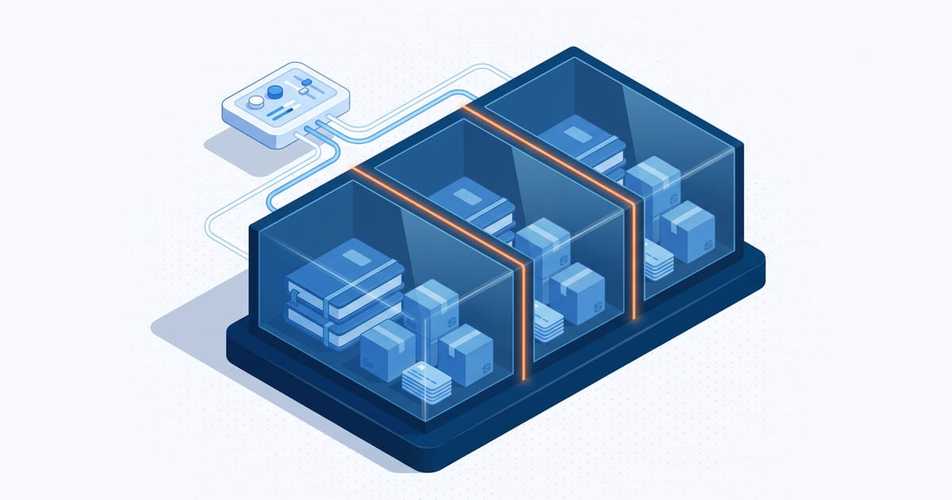
Separation between clients is an architecture decision made before the first sale, and it is expensive to add later. In practice, it means each client is a boundary inside the system and no query, screen or export crosses that boundary without explicit authorization.
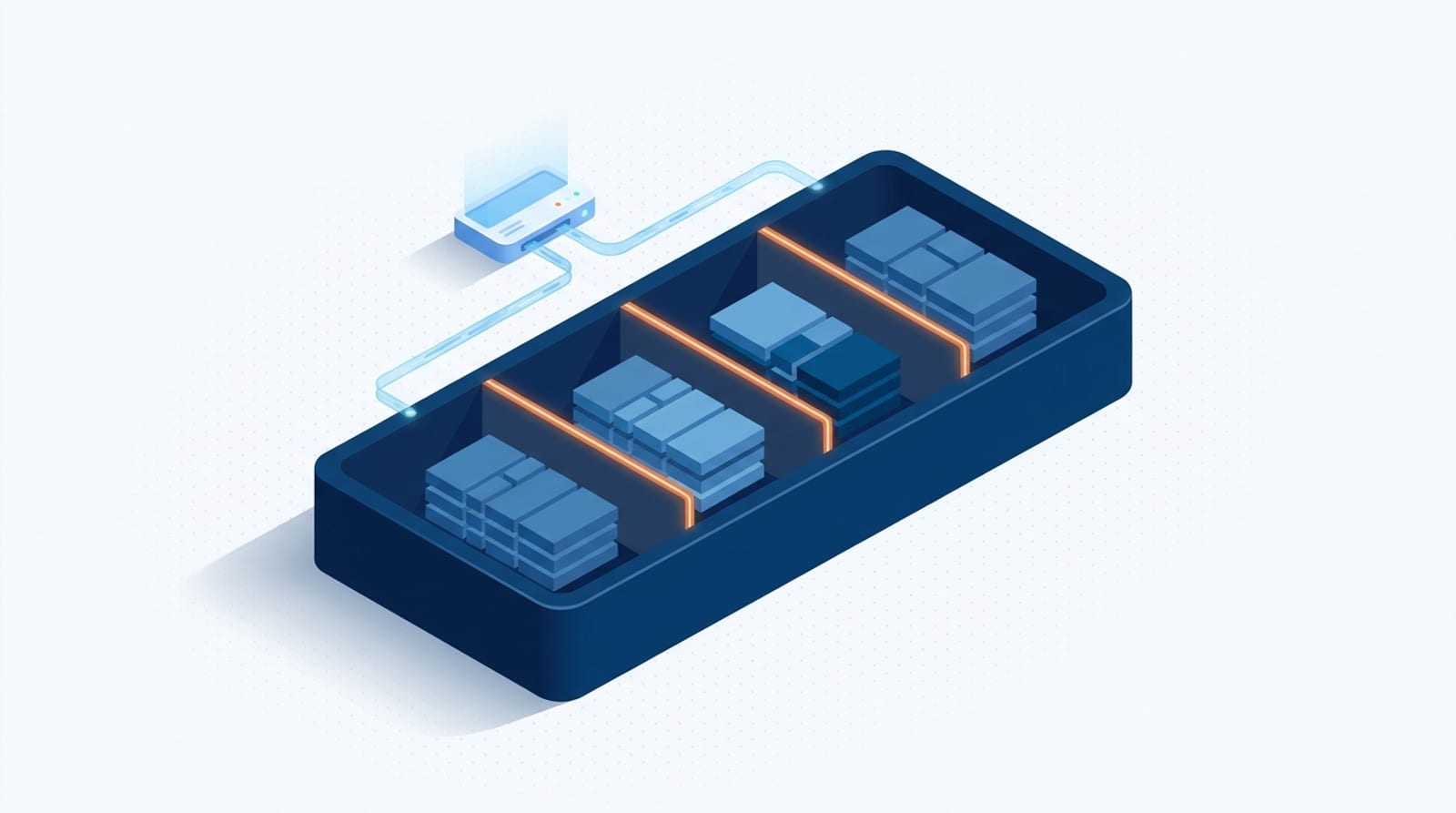
What this unlocks commercially: you can answer the question with a verifiable description instead of a promise. And you can accept an audit by the buyer, which is the argument that closes the sale with a suspicious client.
The decisions that support this answer are few and need to be made before you start building.
- Boundary in the data: each record belongs to a client and no query runs without that filter.
- Administration without reading: whoever operates the platform manages accounts and subscriptions without seeing the content of the operation.
- Support access by exception, with the client's authorization, an expiry date and a record of who got in and when.
- Aggregated reports with a written rule, defining which level of detail disappears before any consolidated number exists.
- A log the client can see, so they can check the accesses without having to ask.
The fifth item is the one that converts most and is most often forgotten. A client who can audit on their own stops depending on your word, and that is exactly what the objection was about.
What goes in the contract and what goes in the architecture
Contract and architecture answer different questions, and presenting both is what separates a complete answer from a half answer. The contract defines what happens if something goes wrong; the architecture defines the chance of it going wrong.
What the contract solves
- Defines consequences, penalties and termination in case of misuse.
- Establishes who owns the data and what happens to it on exit.
- Provides grounds to demand the return and deletion of the information.
- Serves as a formal commitment before third parties and regulators.
What only architecture solves
- Makes improper access technically impossible.
- Removes the dependence on someone remembering not to look.
- Allows the client to audit on their own, without an intermediary.
- Survives people changing on your team.
It is worth being precise about the limit of this, because overstating it here is the fastest way to lose credibility with a technical buyer: no design eliminates risk. What it does is reduce the surface, make access loggable and move the discussion from trust to verification. Data ownership, exclusivity and exit remain contract matters, not results of architecture.
When being from the industry stops being a problem and becomes the argument
Outside the circle of direct competition, being from the industry is your best sales argument, and that market is usually much larger than that of your immediate rivals. The objection is concentrated in a specific segment, and mapping that segment avoids treating the whole industry as hostile territory.
Where the objection weighs
Direct competition- Same city or same competitive market.
- Same audience and same price range.
- Few players, where losing a client is a rare and expensive event.
- Competition for contracts, where the client list is the main asset.
Where it becomes an advantage
Same industry, no competition- Another region, with no client overlap.
- Another size, with a different operation and needs.
- A neighboring niche, with the same process and a different audience.
- Those who see you as an operational reference, not a rival.
This reading has a strong practical consequence for the first version: if your first clients will come from the right side of the comparison above, the product needs to work in operations different from yours from the start. It is the same requirement we discuss in Building software for your industry: from your own operation to a product, now arriving by another route.
The markets where this cannot be solved
In some markets the objection has no good answer, and insisting costs the entire first version. Recognizing these cases early is cheaper than finding out after three rejected proposals.
This happens when the buyer's operation is their strategy, not just execution. In competition for a few large contracts, in markets with very few players, or when the client list is practically the whole business, no technical design makes up for the discomfort of operating inside a rival's house.
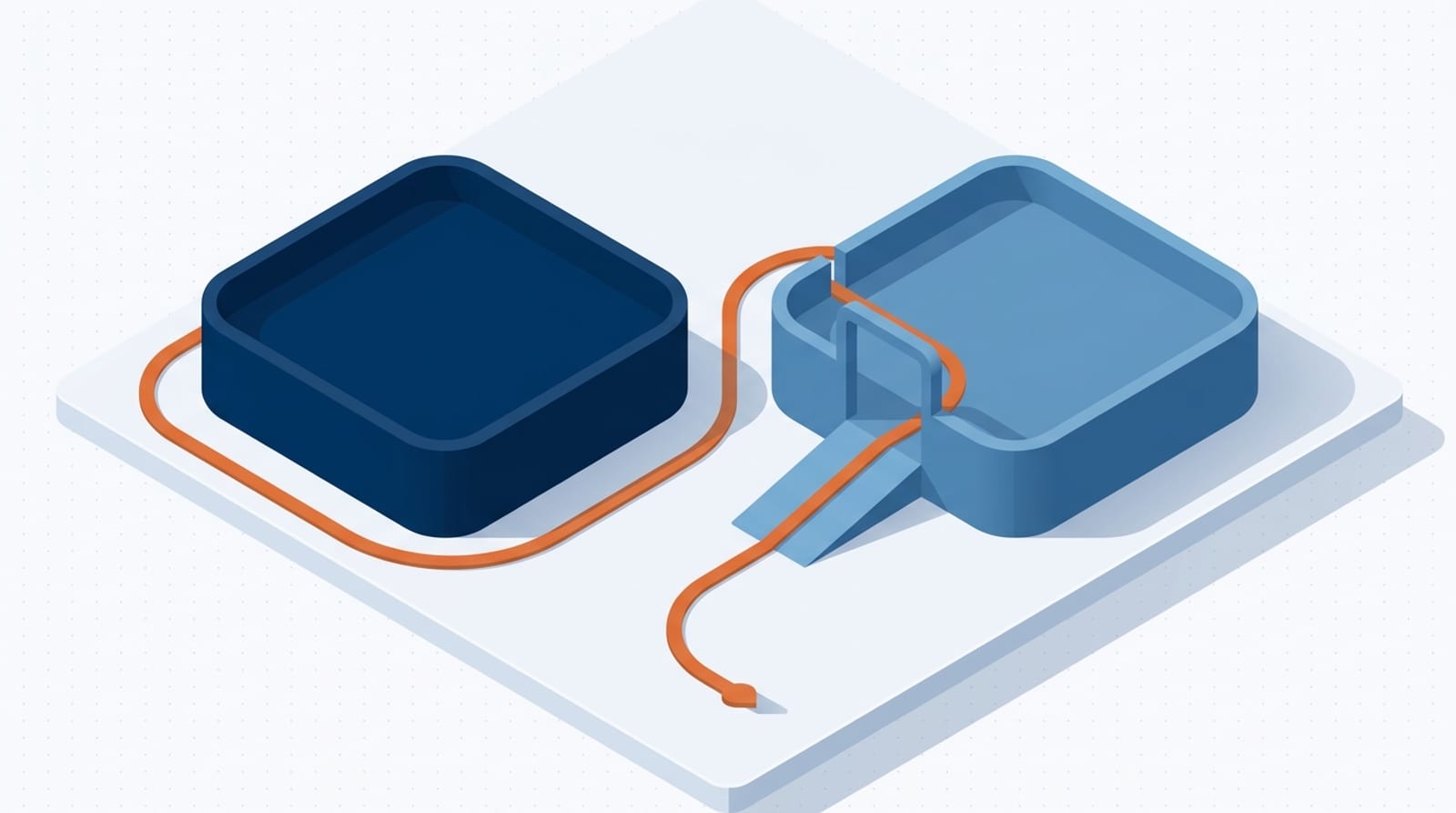
In these cases there are four honest ways out, and none of them is convincing the buyer they are exaggerating.
- Sell to the neighboring market first and come back when there are third-party references.
- Separate the operating business from the software company, with its own ownership, management and access.
- License the system to run on the client's own infrastructure, when their size justifies it.
- Accept that that segment is not your market and reallocate the sales effort.
The second way out is the most used and the most underestimated in cost. Truly separating means separate management, access and incentives, not just a different CNPJ (Brazil's company registration number) with the same people looking at the same screens.
Frequently asked questions
It does. They would be putting prices, volume, clients and suppliers inside a system operated by someone competing in the same market. The objection is a correct reading of risk, not personal distrust.
Almost always four things: how much they charge, how much they sell, who they buy from and who their clients are. Functionality is not a secret in the industry; those four pieces of information are.
It solves the legal part and does not solve the practical part. The contract defines the consequence after improper access. The system design defines whether access was possible. The experienced buyer asks about the second.
It means each client is a boundary inside the system and no screen, report or export crosses that boundary, including for whoever administers the platform. It is an architecture decision made before the first sale.
Only with explicit authorization and with data aggregated to the point of not identifying any company. Without that, it is exactly the use the buyer feared when they raised the objection.
No. It hurts when selling to those who compete for the same client directly, and it helps in the rest of the market, where your knowledge becomes the argument that the product was built by someone who understands the problem.
Sources and method
This article comes from X-Apps' practice in platform projects for specific industries and from a negotiation conducted in August 2026 with a restaurant operator who intends to sell software to other restaurants. The material was anonymized: no client is identified.
The architecture recommendations described here reduce the access surface and make usage auditable. They do not eliminate risk, and they do not replace the contractual guarantees of ownership, confidentiality and exit, which remain the appropriate instrument for those obligations.


